01 International Patients
Biological Dental Treatment in Germany for International Patients
Patients travel to our practice in Bad Schwartau, beside Lübeck in northern Germany, for metal-free, biological dentistry - ceramic implants, vital aesthetics and whole-body oral care, planned and explained in English.
Phone hours: Mon–Thu 8:30–13:00 (German time)
02 Why patients travel here
A focused practice for metal-free dentistry
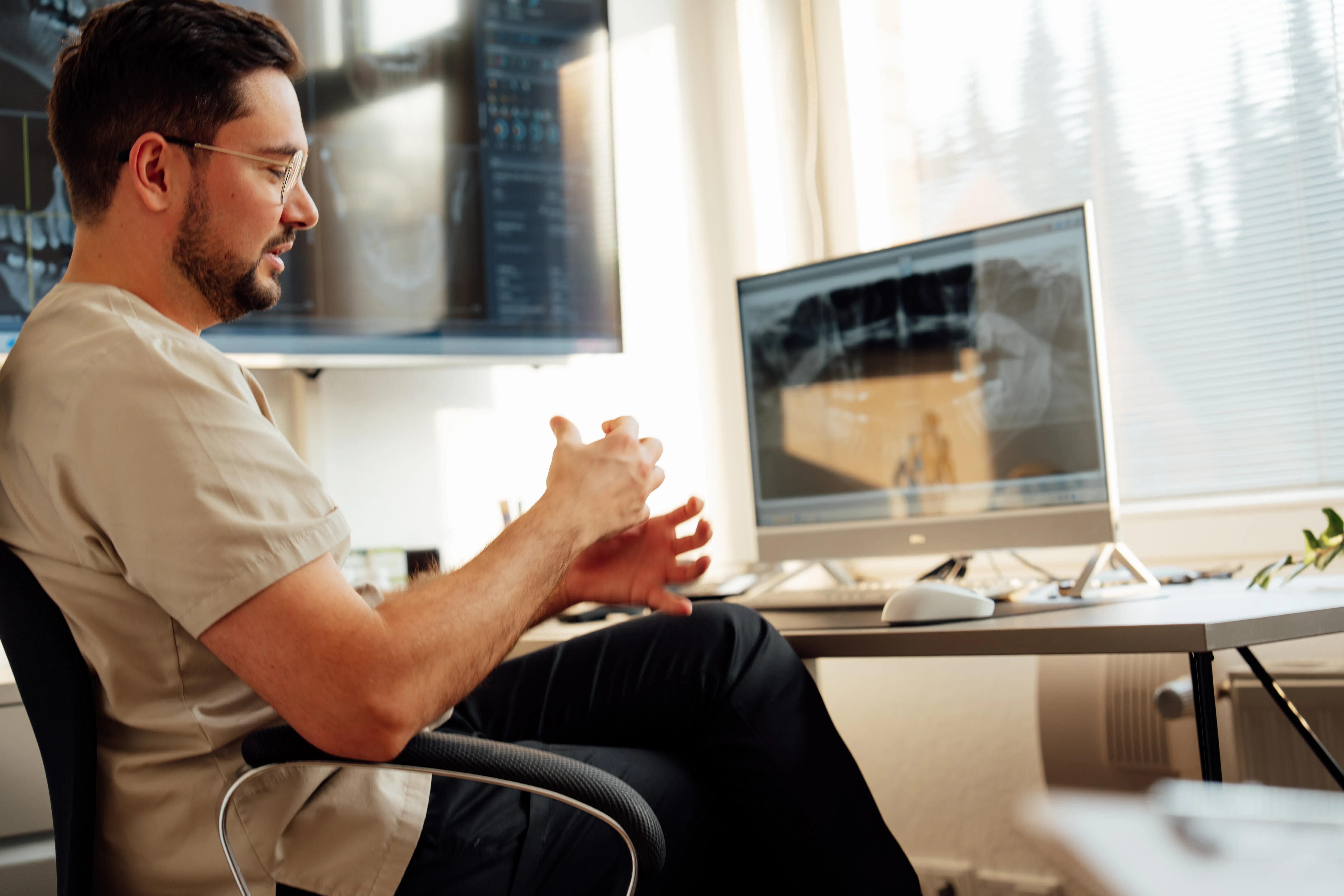
Many people seek out a dedicated biological practice because they want dentistry without metal - and a team that takes the whole-body picture seriously. Our focus is biocompatible, tooth-preserving care: ceramic implants instead of titanium, metal-free restorations, and careful diagnostics before any treatment begins.
For patients in Denmark, Sweden, Norway and Finland, Bad Schwartau is genuinely reachable. The practice sits immediately next to Lübeck in Schleswig-Holstein, on the Baltic corridor between Hamburg and Denmark - a short hop by air via Hamburg Airport, or by car and ferry for those driving down through Scandinavia.
- Consultations and treatment explained in English
- Ceramic implants and metal-free restorations
- Whole-body, biological approach to oral health
- A written treatment plan and an itemised invoice
A licensed and regulated German dentist. Your treatment is carried out within the German professional and supervisory framework - the same standards that apply to any patient here at home.
Qualified and licensed to practise dentistry in Germany, working from the practice at Hauptstraße 50, Bad Schwartau.
Member of the Zahnärztekammer Schleswig-Holstein (dental chamber) and supervised by the KZV Schleswig-Holstein. Details in the imprint.
Our approach
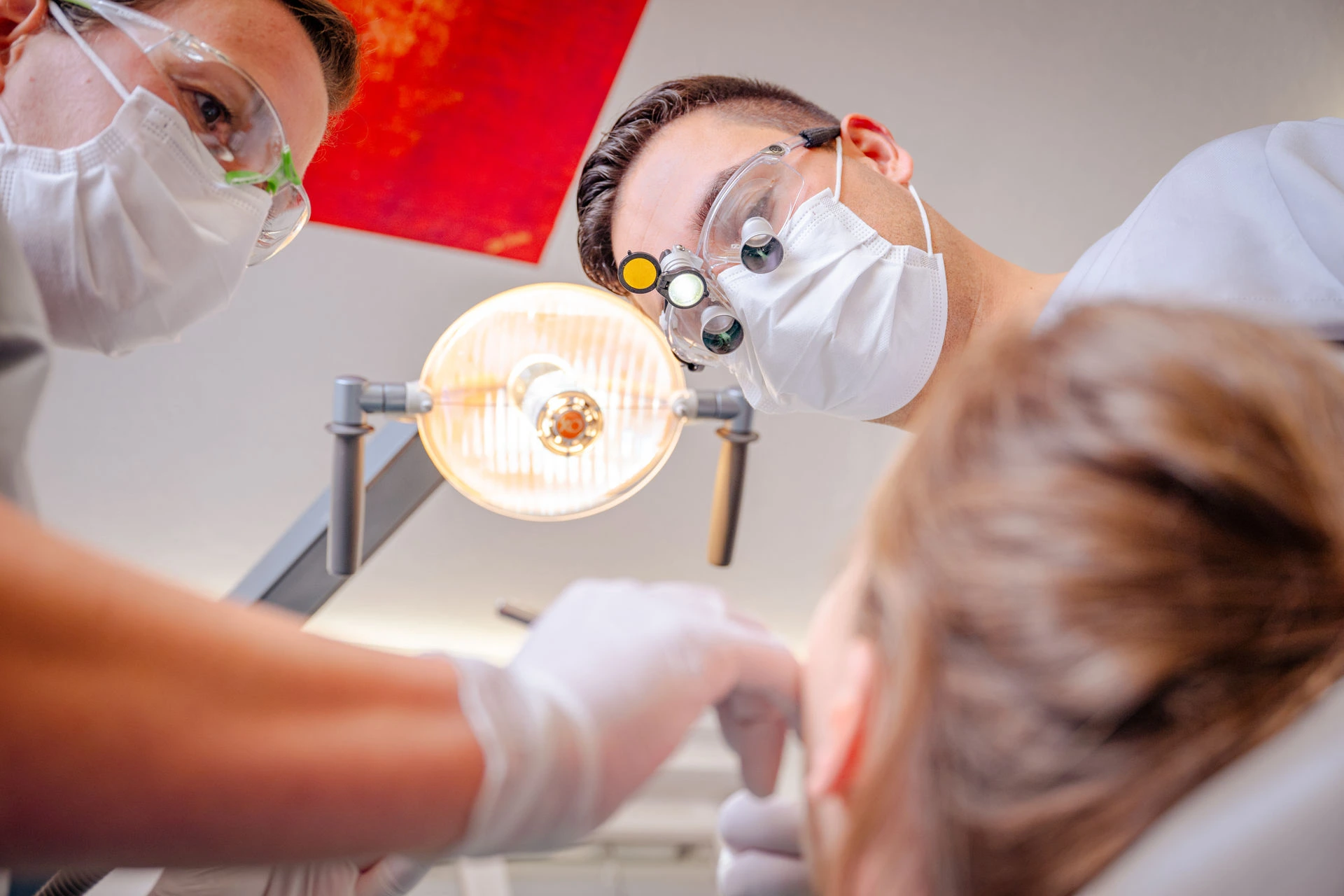
Careful, biocompatible dentistry - and the time to explain every step in English or German.
We would rather plan a treatment well once than rush it. For travelling patients that means clear diagnostics, honest options and a realistic schedule before you book flights or ferries.
03 Where patients come from
Country guides for Scandinavian patients
Each guide explains the realistic route, travel time and what to expect when you plan biological dental treatment in Germany from your country.
Biological dentistry for Danish patients
By car via the Rødby-Puttgarden ferry, or a 55-minute flight Copenhagen-Hamburg.
02Biological dentistry for Swedish patients
Across the Øresund Bridge and onward, or a direct Stockholm-Hamburg flight.
03Biological dentistry for Norwegian patients
Around a 1h25-1h30 flight Oslo-Hamburg, then a short onward leg to Lübeck.
Biological dentistry for Finnish patients
Roughly a 2-hour flight Helsinki-Hamburg, then a short transfer to Lübeck.
04 Getting here
Reaching Bad Schwartau near Lübeck
The practice is in Bad Schwartau, immediately adjacent to Lübeck in Schleswig-Holstein, northern Germany - on the Baltic corridor between Hamburg and Denmark.
Hamburg Airport (HAM) is the nearest major international airport - roughly a 45-55 minute drive, or about a 1h10-1h25 train journey, from Lübeck and Bad Schwartau.
The Scandlines ferry crosses the Fehmarnbelt between Rødby and Puttgarden in about 45 minutes, with frequent departures. Puttgarden to Lübeck is about a 1-hour drive.
The Øresund Bridge links Copenhagen and Malmö over a roughly 16 km fixed link (about 10-15 minutes by car), connecting onward to the Danish route south.
A fixed Fehmarnbelt tunnel between Puttgarden and Rødby is under construction, with the first tunnel elements placed in 2025; until it opens, the Scandlines ferry remains the direct crossing. Lübeck Airport (LBC) is a small regional airport about 8 km from the city centre with only limited connections. For Icelandic patients, direct flights link Keflavík and Hamburg.
05 Care in English
Metal-free, biological care - clearly explained
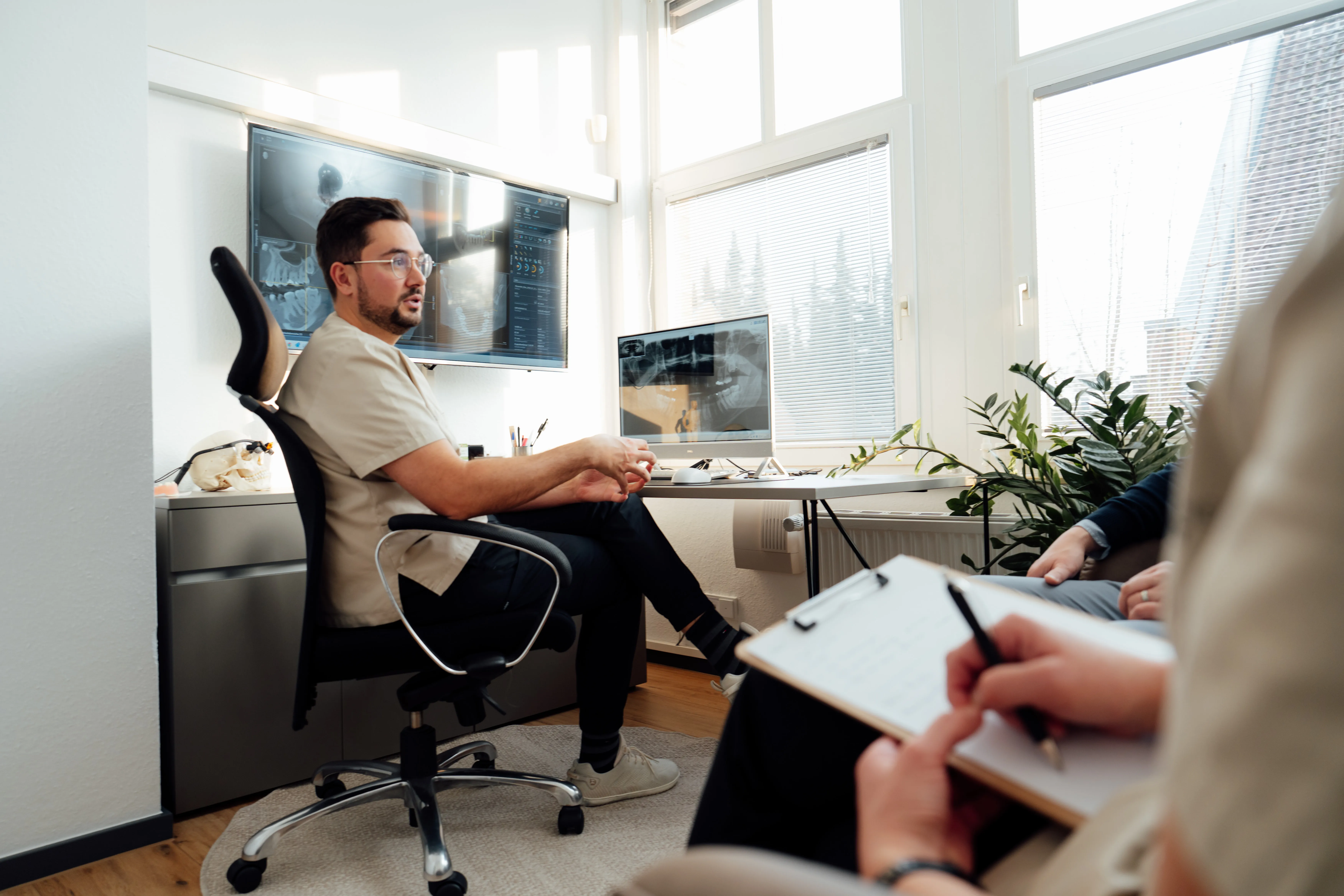
Travelling for treatment only works if you can ask questions and understand the answers. We consult in English, so you can talk through your diagnosis, the materials we use, the realistic options and your aftercare without anything getting lost in translation.
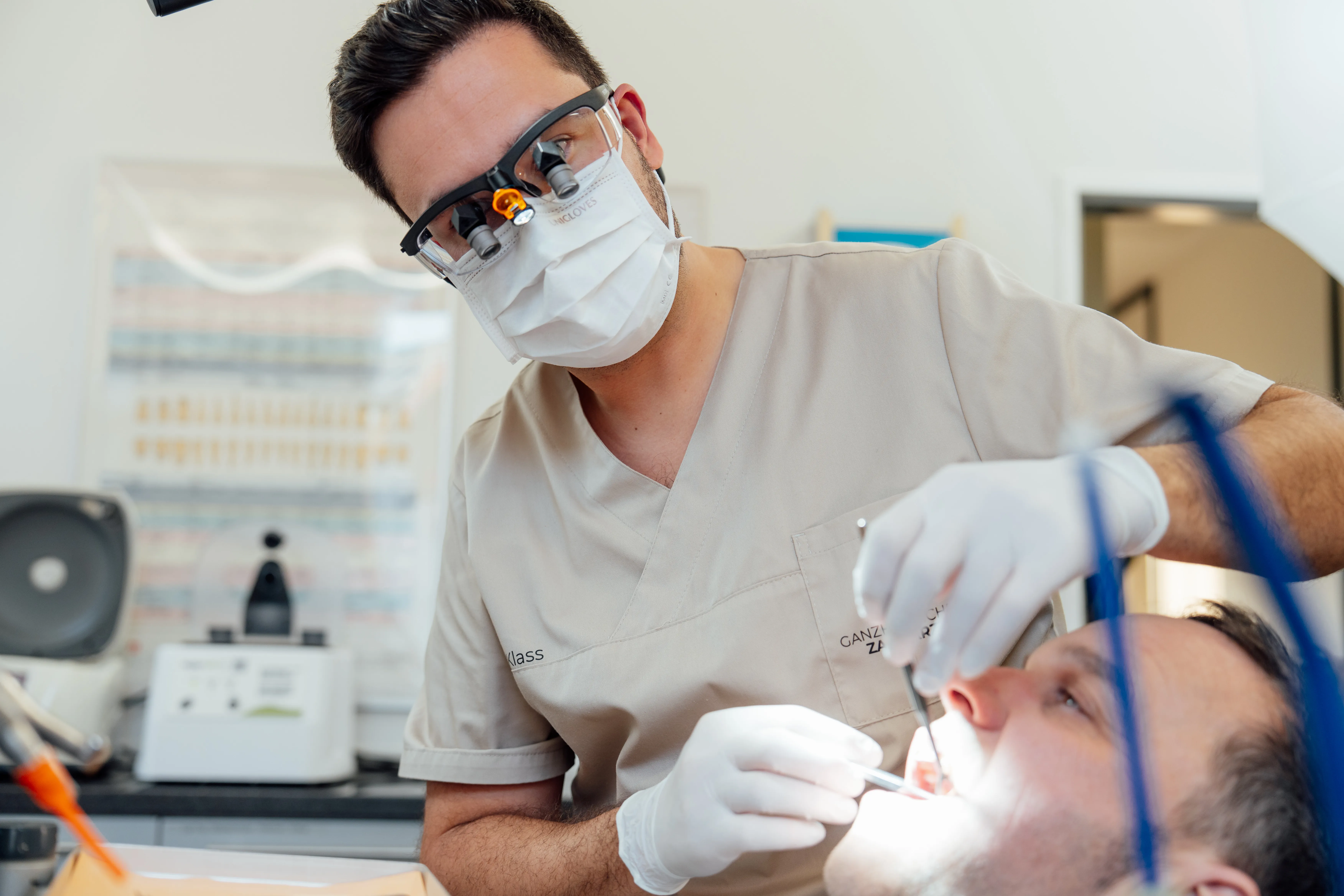
Biological dentistry means choosing metal-free, biocompatible materials and treating the mouth as part of the whole body. That ranges from ceramic dental implants and metal-free restorations to vital, tooth-preserving aesthetics - always with thorough diagnostics first.
06 The treatments
What you can plan with us
Our core treatments for travelling patients, each with its own detailed page.
 I
I
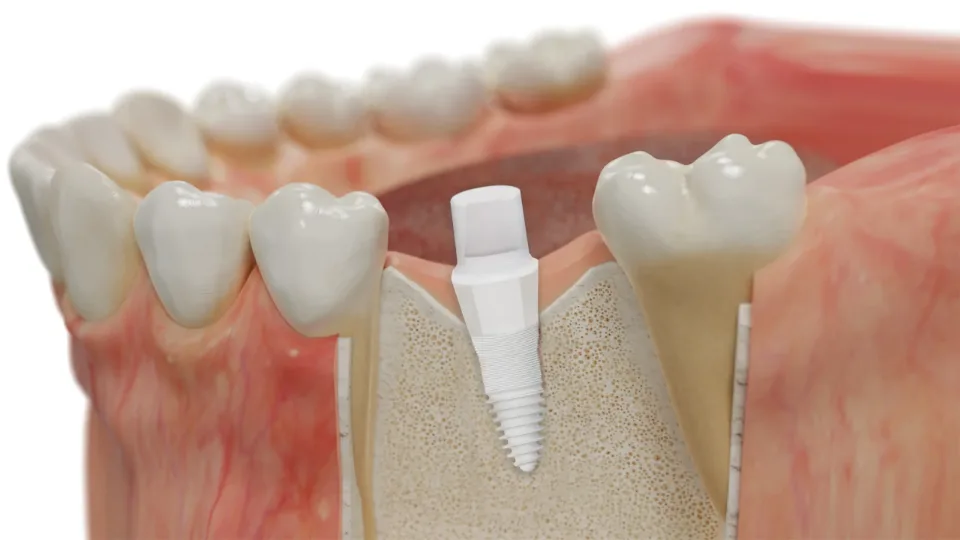
Ceramic Implants
Metal-free, tooth-coloured implants as an alternative to titanium.
Explore →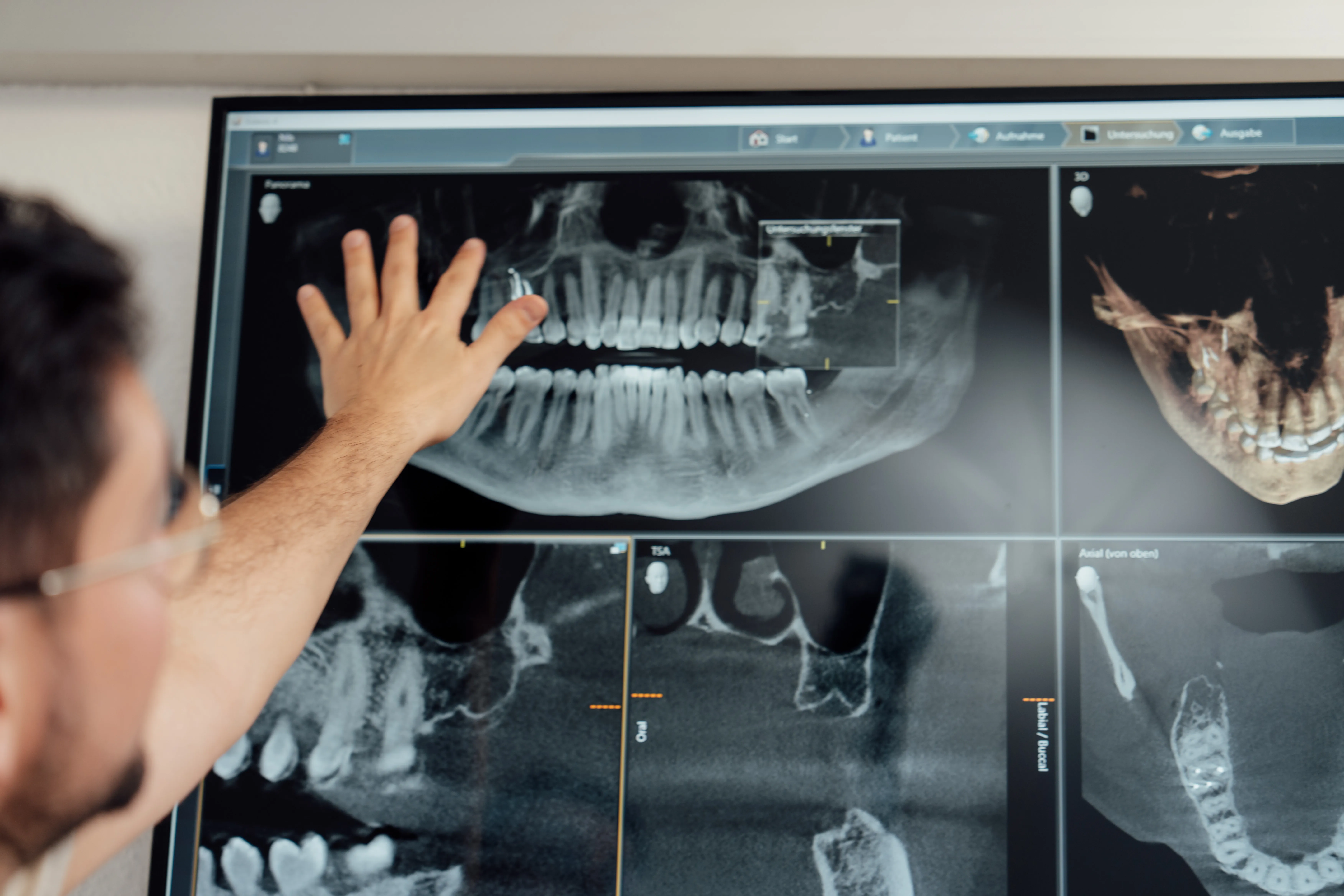 II
II
Biological Dentistry
A whole-body, metal-free approach to lasting oral health.
Explore →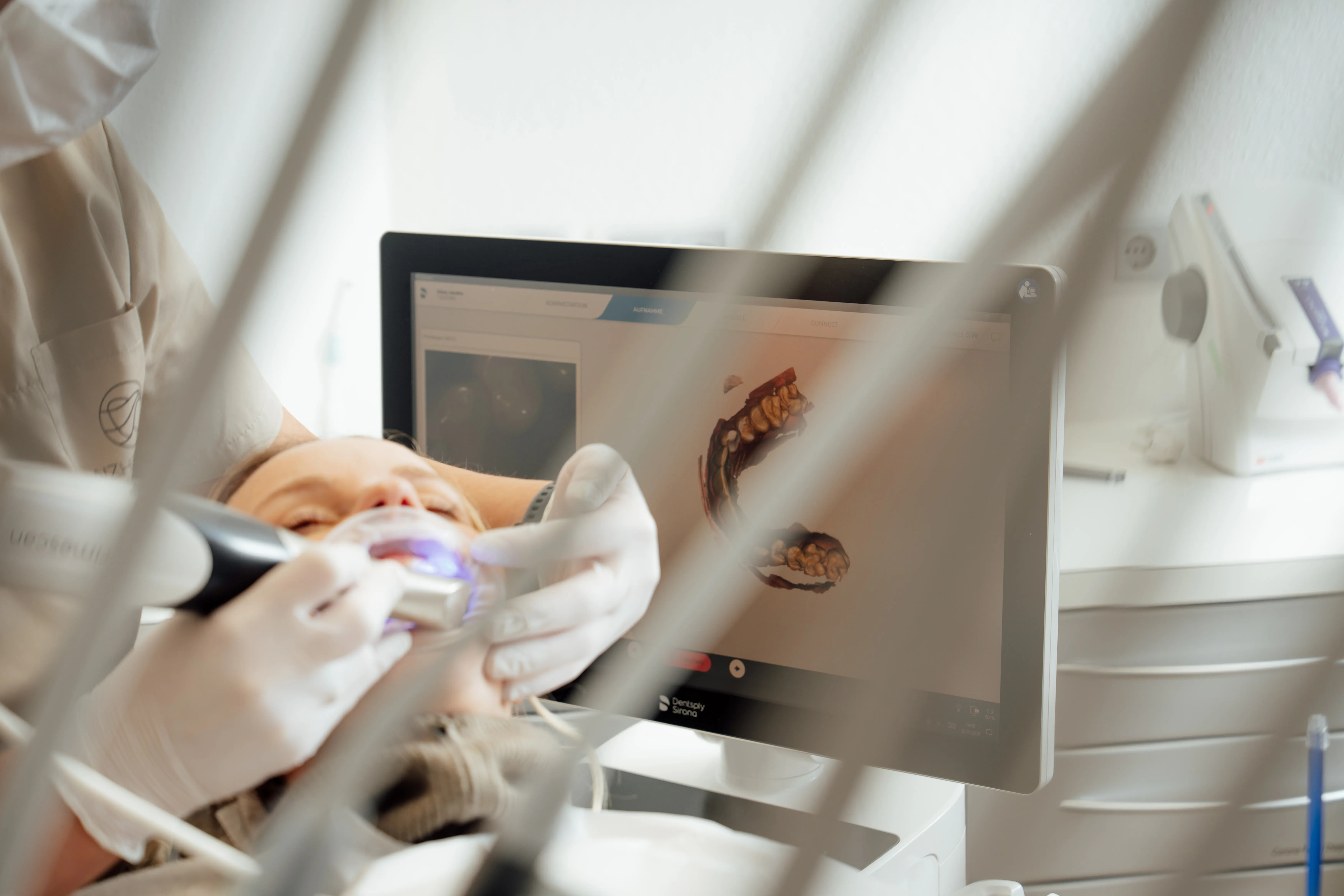 III
III
Vital Aesthetics
Tooth-preserving, natural-looking aesthetics without metal.
Explore → IV
IV
Safe Amalgam Removal
Protective protocol for removing old amalgam fillings.
Explore →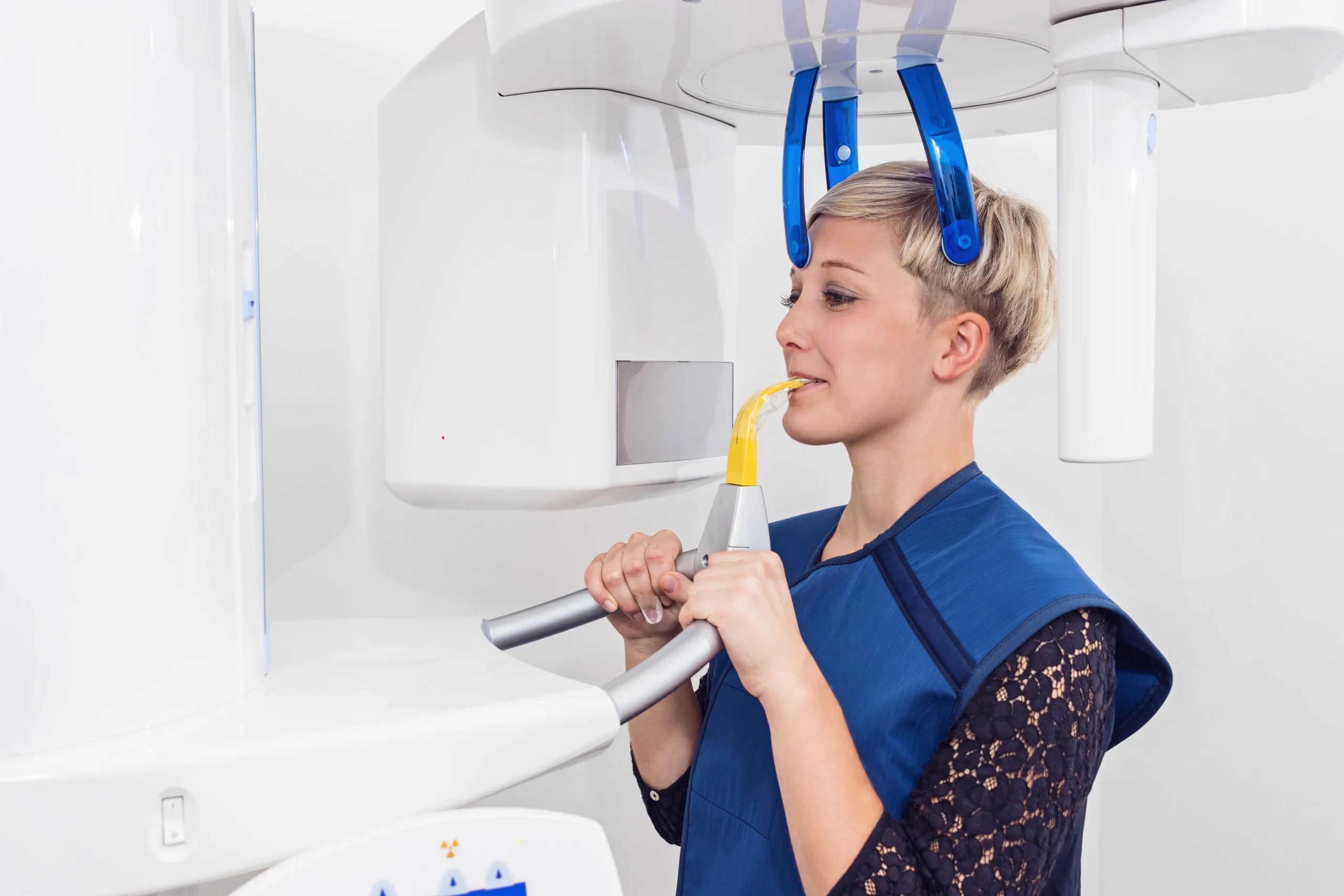 V
V
3D / CBCT Imaging
Precise three-dimensional diagnostics before treatment.
Explore →
VI
All Services
Veneers, aligners, periodontal care and more.
Explore →07 Reimbursement
Costs and private insurance
Reimbursement may be possible through a private (supplementary) dental insurance - please clarify this with your own insurer before treatment.
Before treatment you receive a written treatment plan setting out the expected costs, and afterwards a standard invoice, itemised by service. Only your insurer can say what your policy covers.
Whether a public system contributes anything is decided solely by your own insurer or authority; we do not advise on this.
General information, not insurance advice. Please confirm your cover with your own insurer before treatment.
08 Planning your visit
From first message to first appointment
Get in touch
Briefly describe your situation in the form so we can understand what you need.
Reply & next steps
We reply in English and explain the next steps for your situation.
Plan the trip
We help you plan the consultation appointment and a realistic schedule for your visit.
Treatment & aftercare
After treatment you receive aftercare advice and a standard invoice, itemised by service.
09 Typical trip outlines
How many trips does treatment usually take?
Two common examples, so you can picture the rhythm of a treatment before you plan time off and travel.
Typical outline, not a patient case – your plan follows your assessment.
Ceramic implant
Usually two trips- BeforeFirst contact from home; you briefly describe your situation and we reply with the next steps.
- Trip 1Examination and 3D planning and, where suitable, placement of the implant.
- At homeA healing phase of several months while the implant integrates with the bone.
- Trip 2Check of the healing and fitting of the full-ceramic crown.
Extra steps, such as bone augmentation or treating inflamed areas first, can add time or visits. More on the ceramic implants page.
Protected amalgam removal
Sessions planned after the assessment- BeforeYou tell us roughly how many fillings you have, and we reply with the next steps.
- AssessmentExamination of each filling and the teeth around it; the number and length of sessions are planned from this.
- SessionsA single filling can often be replaced in one appointment; several are usually spread across a few sessions, grouped into one trip where that is realistic.
- AfterwardsMetal-free restorations are checked, and any further steps are agreed with you.
How the protective protocol works is explained on the safe amalgam removal page.
10 Preparing your trip
Before you travel – what to bring
A little preparation saves time at the first appointment.
A short note of the questions you want to ask, so nothing is forgotten at the consultation.
All medicines you take, with doses, including supplements and especially blood thinners.
Any test results on material intolerances (for example an allergy passport) and previous reactions to anaesthetics or dental materials.
If you have private (supplementary) dental insurance, bring your policy details – and clarify your cover with your insurer before you travel.
11 Your stay
Where to stay
Most patients stay close to the practice so that appointments are easy to reach and there is time to rest afterwards. Three areas are practical starting points:
- Bad SchwartauThe town where the practice is – quiet, with short distances to your appointments.
- Lübeck Old TownThe historic centre of Lübeck, close to Bad Schwartau, with more restaurants and things to see between appointments.
- TravemündeLübeck’s seaside district on the Baltic, for those who want time by the sea; allow a little more travel time to the practice.
We have no partner hotels and do not recommend specific accommodation. Plan your stay so that you do not have to travel far straight after a longer treatment.
12 Aftercare
After you return home
- Aftercare adviceYou receive aftercare advice for the days after treatment, and you can contact us with questions once you are home.
- Your home dentistOn request, we can provide a short written treatment report in English for your dentist at home, so that check-ups and professional cleaning can continue there.
- The second tripWhere treatment runs over two trips, as with ceramic implants, the healing is checked at the second visit before the next step.
- If something feels unusualGet in touch with us – and if you need urgent care, see a local dentist or doctor straight away.
13 Questions
International patient FAQ
Yes. We care for patients travelling from abroad and consult in English, so you can discuss your treatment, questions and aftercare clearly throughout your visit.
Biological dentistry focuses on metal-free, biocompatible materials and a careful, whole-body approach to oral health. It includes ceramic implants, metal-free restorations and vital, tooth-preserving aesthetics.
Many steps can be coordinated to reduce the number of visits, but the exact schedule depends on your individual diagnosis. After an examination we explain how many appointments and how much travel time your case realistically needs.
Reimbursement may be possible through a private (supplementary) dental insurance - please clarify this with your own insurer before treatment. We issue a standard invoice, itemised by service.
Cost depends entirely on your individual diagnosis - the number of teeth involved, the materials chosen and the steps your case needs. After an examination you receive an itemised written quote in English before anything is booked, so you can see each item clearly. If you have private (supplementary) dental insurance, you can use this quote to check your cover with your insurer in advance.
Costs depend on your individual diagnosis, so a reliable quote is only possible after the examination at the practice, including 3D diagnostics where needed. Briefly describe your situation in the form and we get back to you with the next steps; you receive the binding, itemised written quote before treatment begins.
Briefly describe your situation in the contact form. We reply in English with the next steps and help you plan an initial consultation appointment at the practice, where the examination, including 3D diagnostics where needed, takes place.
A question about your own trip that is not answered here? Ask us directly →
14 Further reading
Helpful alongside your treatment planning
Two short guides that come up often when patients prepare for biological dental care in Germany.
3D CBCT scan: cost and what it includes
What a 3D CBCT (DVT) dental scan costs, when it is needed and what is included - clear cost guidance for international and local patients.
iiTeeth and organs: the tooth-meridian chart
A clear, responsible guide to the tooth-organ (meridian) chart used in biological dentistry - what it does and does not mean.
Plan your metal-free treatment in Germany
Tell us your concern and we will help you plan a consultation - in English, at your pace.